Resume vs CV: What's the Difference and Which Do You Need?
The terms get used interchangeably, and in much of the world they effectively are — but there is a real distinction, and sending the wrong document to the wrong audience can cost you an interview. The short version: a resume is a tailored marketing document, a CV is a comprehensive record, and which word means what depends on where you are applying.
The classic distinction
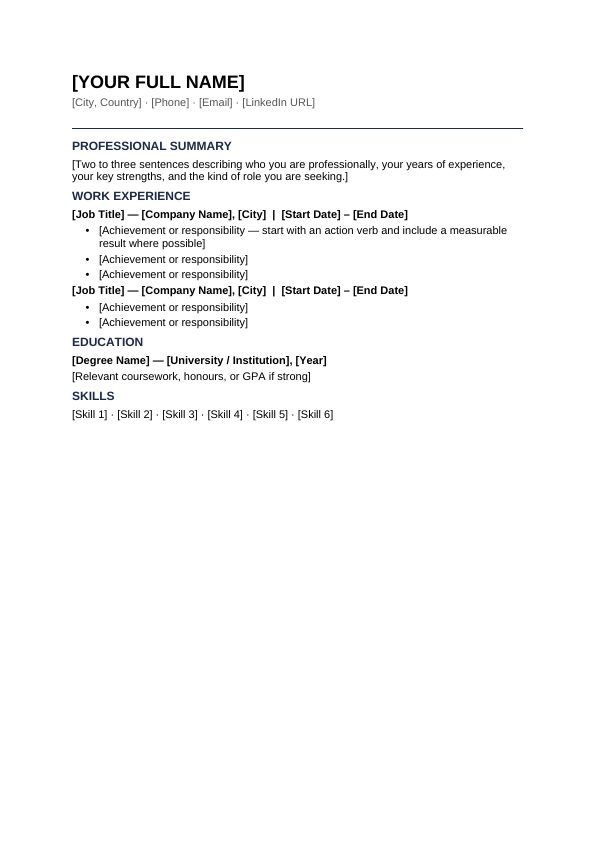
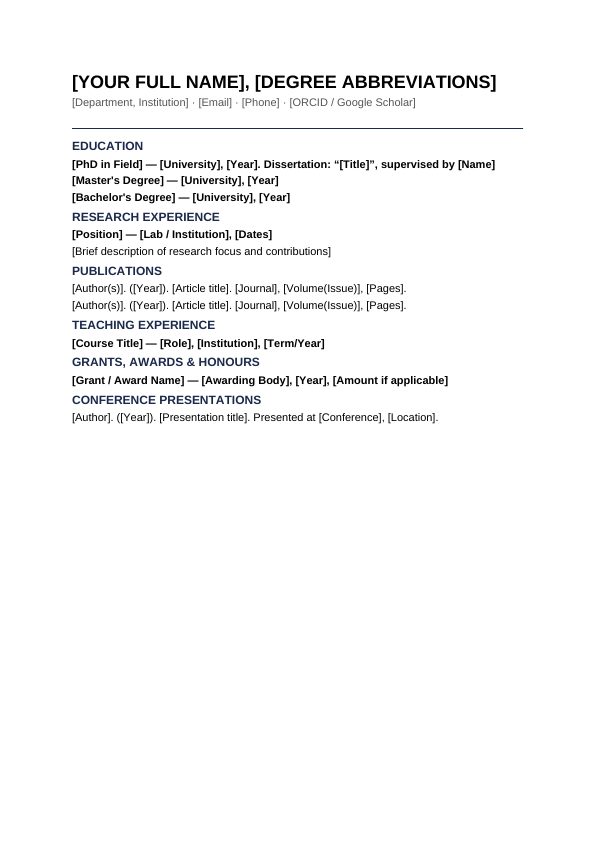
A resume is short — one page, two at most — and ruthlessly tailored to a specific job. It summarises only the experience relevant to that role, and you are expected to maintain different versions for different applications. A curriculum vitae in the academic sense is the opposite: a complete, ever-growing record of your scholarly life — every publication, conference presentation, grant, course taught and committee served. Academic CVs routinely run five, ten or twenty pages, and nothing is ever deleted.
What each country means
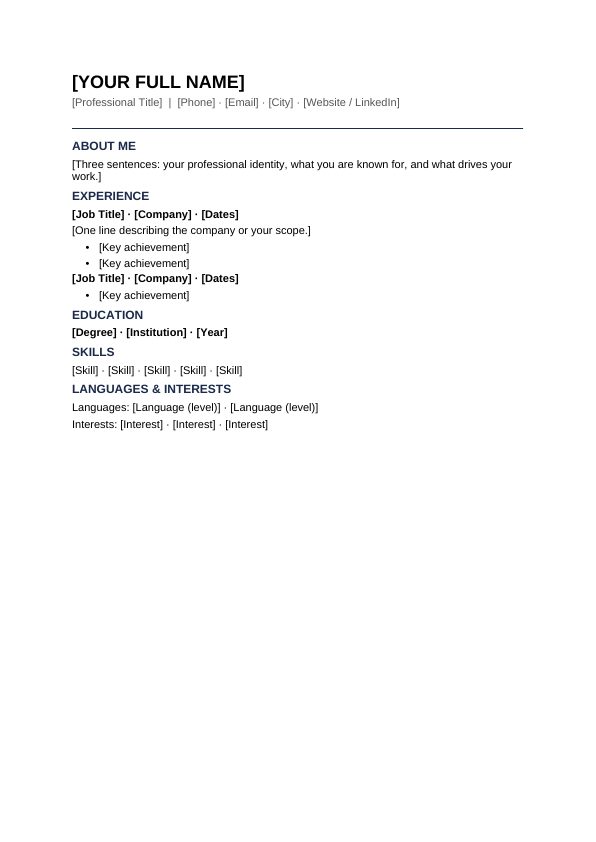
In the United States and Canada, "resume" is the standard job document; "CV" specifically means the long academic version. In the UK, Ireland, Europe, the Middle East, India and most of Asia and Africa, "CV" is simply the everyday word for the job application document — and it is still expected to be short, typically two pages. In the Gulf, job ads say CV but mean a concise professional document; recruiters there also commonly expect details like nationality and visa status that would be unusual on a US resume. Australia and New Zealand use both words for the same short document.
Which do you need?
Applying for a normal job anywhere: a concise, tailored document — call it whatever the job ad calls it. Applying for faculty positions, research roles, PhD programmes, fellowships or grants: the full academic CV, complete with publications and presentations. Some immigration and licensing processes also request a "full CV" meaning a complete career history with no gaps — read the requirements literally.
The rules that apply to both
Reverse chronological order. Achievements over duties — what changed because you were there, with numbers where possible. Consistent formatting, standard headings, no photo unless local convention expects one. And honesty: both documents are routinely verified, and a discovered embellishment ends candidacies that were otherwise winning.